
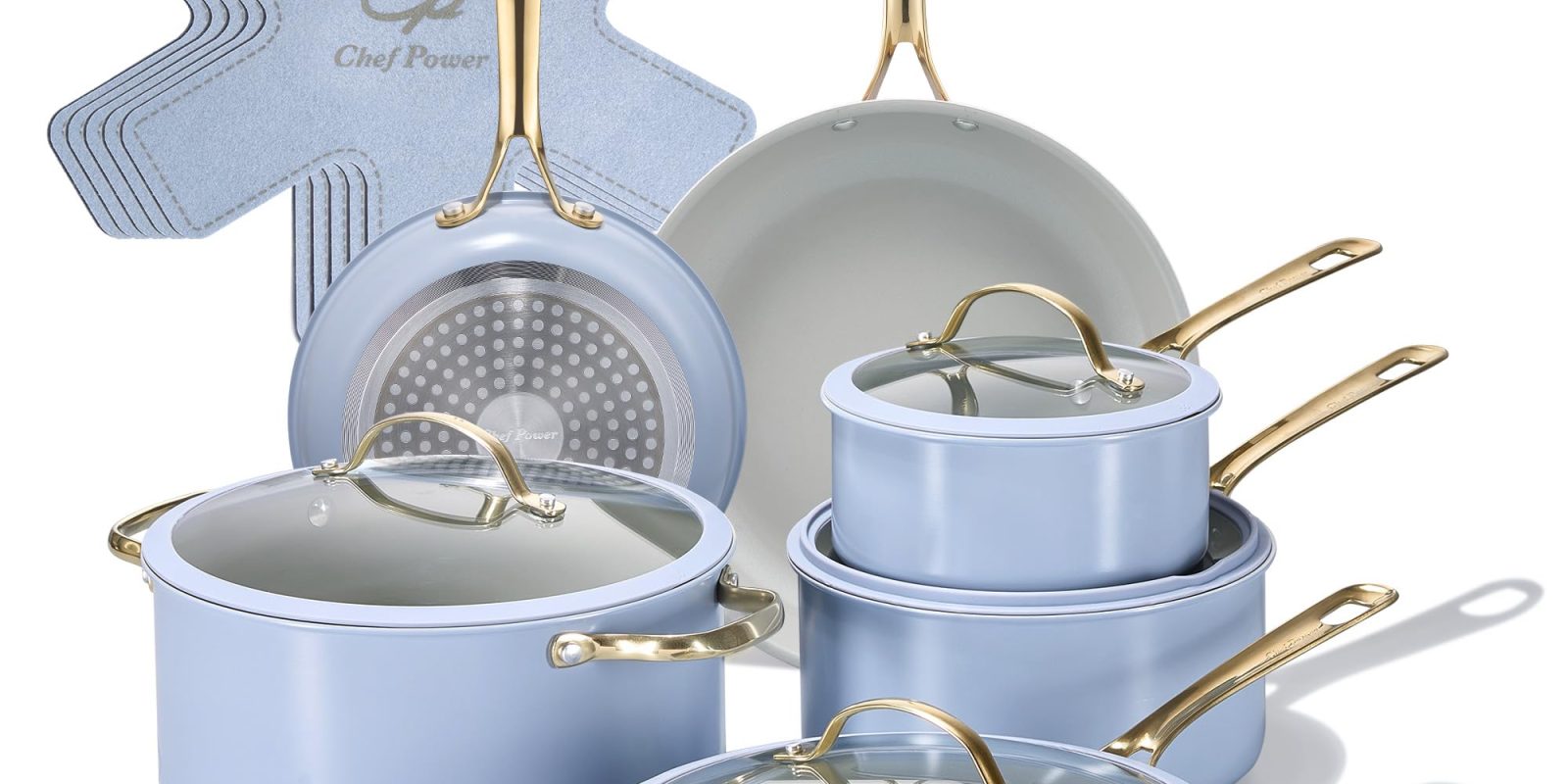
If you’ve been shopping for new pots and pans, you’ve probably run into the question head-on: is ceramic cookware safe? The short, honest answer is generally yes — for the vast majority of people, quality ceramic cookware is a safe, sensible choice. But “generally yes” isn’t the same as “always, no caveats,” and you deserve the full picture rather than a marketing slogan. So let’s walk through what people are actually worried about, where those worries are valid, and what to look for so you can buy with confidence.
What people are really asking when they ask “is ceramic cookware safe?”
Most of the time, the underlying concern isn’t ceramic at all — it’s nonstick. For decades, the standard nonstick coating was PTFE (you’ll know it as Teflon), and the chemical historically used to manufacture it was PFOA. PFOA belongs to a family of “forever chemicals” called PFAS, which persist in the environment and the body and have been linked to a range of health concerns. That’s the real root of the anxiety.
Here’s the reassuring part: PFOA was phased out of U.S. nonstick production around 2013–2015, so even traditional Teflon-style pans made since then are manufactured without it. And modern ceramic coatings are a different animal entirely. Quality ceramic nonstick — the sol-gel or stone-derived type used by reputable brands — is made free of PTFE, PFOA, PFAS, lead, and cadmium. In other words, the very chemistry that started the whole conversation simply isn’t in a well-made ceramic pan. That’s a big part of why ceramic has become so popular.
The real edge cases worth knowing about
If ceramic skips the problem chemicals, why the caveats? Because “ceramic” is a broad word, and not every product wearing the label is the same. There are a few genuine situations where caution is warranted, and pretending otherwise wouldn’t be honest.
- Cheap or unbranded glazed ceramic. This is the one legitimate lead-and-cadmium concern. It applies mainly to inexpensive glazed ceramic and earthenware — think unmarked imported dishes or decorative pieces — where the colored glaze can sometimes contain lead or cadmium that may leach, especially with acidic foods. It’s far less of an issue with established cookware brands that test and certify their products, but it’s a real reason to be wary of mystery-brand bargains.
- Chipped, scratched, or flaking coatings. This applies to any nonstick surface, ceramic included. Once a coating starts to flake or peel, it’s no longer doing its job and bits can end up in your food. A damaged pan should simply be replaced — that’s the most important safety habit regardless of which type you own.
- Overheating. The classic risk with PTFE pans is cranking an empty one to high heat, which can release fumes. Ceramic is generally more heat-tolerant than PTFE, but that’s not a license to blast it on max — high, dry heat shortens the life of any coating and isn’t good practice.
How to buy ceramic cookware safely
Buying smart is mostly about reading the label and trusting a real company. A few practical filters:
- Look for explicit, specific claims. A trustworthy ceramic pan will state plainly that it’s PTFE-, PFOA-, PFAS-, lead-, and cadmium-free. Vague phrasing like “all-natural” or “eco coating” with no specifics tells you nothing. Our current top pick, the Chef Power 15-Piece Ceramic Set, is a good example — it spells out PTFE/PFOA/lead/cadmium-free rather than leaving you to guess.
- Buy from a real brand with a real address. A company with a name, a warranty, and customer support has accountability that an anonymous marketplace listing doesn’t.
- Match the cookware to your cooking. If you sear at high heat constantly, a coated pan of any kind isn’t your forever tool — but for everyday eggs, sautéing, and low-stick cooking, ceramic is a comfortable fit.
If you want to compare specific options side by side, our Best Ceramic Cookware Sets in 2026 guide breaks down sets across price ranges with the same honesty we’re using here.
When to replace a ceramic pan
Even the best ceramic coating isn’t forever. Plan to retire a pan when you see any of the following:
- The surface is chipped, scratched through, peeling, or flaking — replace it, don’t push your luck.
- Food that used to slide off now sticks badly even with oil and proper heat — a sign the coating has worn down.
- You see discoloration combined with loss of nonstick performance, suggesting the surface has degraded.
To stretch a pan’s life, use medium heat, wooden or silicone utensils, hand-washing over the dishwasher when you can, and a little oil rather than dry cooking. Treated well, a good ceramic pan can last comfortably for years before it needs replacing.
The honest bottom line
So, is ceramic cookware safe? For most home cooks, a quality ceramic pan from a reputable brand is a genuinely reasonable, low-worry choice — it sidesteps the PTFE, PFOA, and PFAS questions that made people nervous in the first place, and it doesn’t carry the glaze concerns of cheap, unbranded ceramic if you buy from a company that tests and labels honestly. We won’t tell you it’s “100% risk-free” in some absolute sense, because no cookware deserves that claim. But buy thoughtfully, cook at sensible temperatures, and replace any pan when its coating gives out, and ceramic cookware is something you can feel good about using every day.
Affiliate note: if you buy through links here we may earn a small commission, at no extra cost to you. It never changes our picks.
Leave a Reply